
Credit Scores 101: How Your Score Impacts Your Mortgage (and How to Improve It)
Picture this: You’ve found the perfect home. The layout is ideal, the neighborhood feels right, and you can already imagine weekend mornings on that back deck. Then you sit down with a lender, and those three little numbers on your credit report suddenly become the most important digits in your life. Your credit score isn’t just a number: it’s the key that unlocks (or locks) the door to your dream home, and it directly impacts how much you’ll pay to walk through it.
Let’s break down everything you need to know about credit scores and mortgages, without all the confusing financial jargon that makes your eyes glaze over.
What Your Credit Score Actually Tells Lenders
Think of your credit score as your financial report card. Just like a GPA tells colleges how you performed academically, your credit score tells lenders how you’ve handled borrowed money in the past. It’s their crystal ball for predicting whether you’ll pay back your mortgage on time.
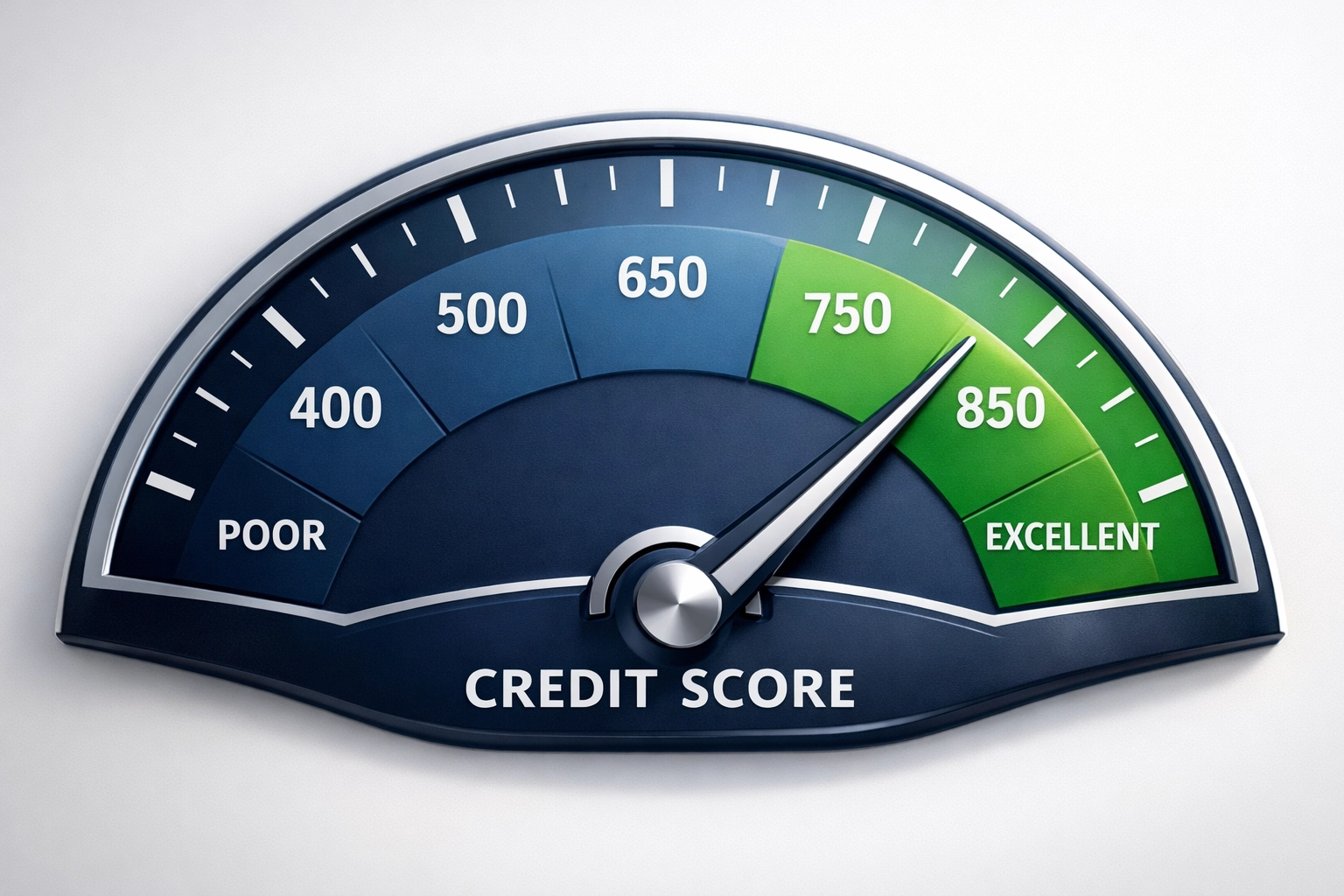
Lenders use this three-digit number: ranging from 300 to 850: as a risk assessment tool. Higher scores signal that you’re a reliable borrower who pays bills on time and manages debt responsibly. Lower scores? They suggest you might be a riskier bet, which means lenders either charge you more to offset that risk or decline your application altogether.
The Credit Score Ranges That Matter for Mortgages
Not all credit scores are created equal when it comes to getting a mortgage. Here’s how your score breaks down in the eyes of lenders:
Excellent (750-850): You’re in the golden zone. Lenders will roll out the red carpet with their best interest rates and most favorable loan terms. You’ve got bargaining power here.
Strong (700-749): You’re in great shape. You’ll have solid access to competitive rates and plenty of loan options to choose from.
Qualified (640-699): You’ll get approved, but you won’t snag those rock-bottom interest rates. You’re in the “yes, but…” category.
Possible Approval (580-639): Here’s where things get trickier. Expect higher interest rates, steeper fees, and fewer lenders willing to work with you. It’s doable, but it’ll cost you more.
Very High-Risk (300-579): Conventional loans are likely off the table. You’ll need to explore alternative options or work on improving your score before applying.
Most lenders want to see a minimum score of 620 for conventional loans, though 670 or higher is where you start seeing “good” territory. Hit 740 or above, and you’re accessing the most competitive rates available.
Credit Score Requirements by Loan Type
Here’s where it gets interesting: different loan programs have different credit score requirements. There’s no one-size-fits-all answer, and understanding these distinctions can open doors you didn’t know existed.

Conventional Loans: These are your standard mortgages not backed by the government. Most lenders require a minimum credit score of 620, though you’ll get significantly better rates at 740 or higher. If you’re hovering around that 620 mark, you’ll likely need a larger down payment to offset the risk.
FHA Loans: Federal Housing Administration loans are designed to help folks who might not qualify for conventional financing. The magic number here is 580 for a 3.5% down payment. If your score falls between 500 and 579, you might still qualify, but you’ll need to put down at least 10%. FHA loans can be a game-changer for first-time buyers or those rebuilding their credit.
VA Loans: If you’re a veteran or active military member, VA loans don’t have a government-mandated minimum credit score. However, most lenders still prefer to see at least 620. These loans offer incredible benefits, including no down payment requirement and no private mortgage insurance.
The key takeaway? Don’t assume you’re out of options if your score isn’t perfect. Different loan programs serve different needs, and there’s often a path forward even if it’s not the most obvious one.
Beyond Interest Rates: The Hidden Costs of Lower Credit Scores
Here’s what most people don’t realize: your credit score affects way more than just your interest rate. Let’s talk about the domino effect.
Down Payment Requirements: A lower credit score often means you’ll need to bring more cash to the table upfront. Lenders want to see more skin in the game if they perceive you as a higher risk.
Private Mortgage Insurance (PMI): If you’re putting down less than 20% on a conventional loan, you’ll likely pay PMI. But here’s the kicker: your credit score affects how much that PMI costs. A lower score means higher monthly PMI premiums, which adds up over time.
Loan Approval Flexibility: A strong credit score gives lenders room to be flexible on other aspects of your application. Maybe your debt-to-income ratio is slightly high, or your down payment is on the smaller side. A stellar credit score can help offset these concerns. With a lower score, you’ll need everything else to be nearly perfect.

The Real Dollar Impact
Let’s get practical with some perspective. A difference of just 100 points on your credit score could mean a half percent or more difference in your interest rate. That might not sound like much, but over a 30-year mortgage, we’re talking about tens of thousands of dollars.
For example, on a $300,000 mortgage, the difference between a 6% interest rate and a 6.5% rate is roughly $114 more per month. Over 30 years, that’s over $41,000 in additional interest payments. Those three digits on your credit report carry some serious weight.
Simple Strategies to Improve Your Credit Score Before Applying
The good news? Your credit score isn’t set in stone. If you’re planning to buy a home in the next 6-12 months, there are concrete steps you can take to boost that number.
Pay Your Bills on Time, Every Time: Payment history accounts for about 35% of your credit score. Set up automatic payments for at least the minimum due to avoid any late payments. Even one missed payment can ding your score for months.
Reduce Your Credit Utilization: This is the ratio of how much credit you’re using compared to how much you have available. Keep your credit card balances below 30% of your credit limits: below 10% is even better. If you have a $10,000 credit limit, try to keep your balance under $3,000.
Don’t Close Old Credit Cards: Length of credit history matters. That old credit card you never use? Keep it open (just use it occasionally for small purchases to keep it active). Closing it could shorten your average credit history and hurt your score.
Avoid Opening New Credit Accounts: Each new credit application triggers a hard inquiry on your report, which can temporarily lower your score. In the months leading up to your mortgage application, resist the temptation to open new credit cards or take out new loans.
Check Your Credit Report for Errors: You’re entitled to a free credit report from each of the three major bureaus annually. Review them carefully and dispute any errors you find. Sometimes a simple mistake can be dragging your score down unnecessarily.
Pay Down Debt Strategically: Focus on paying down high-interest debt first, and consider using strategies like the debt snowball or avalanche method. Reducing your overall debt not only improves your credit score but also strengthens your debt-to-income ratio, which lenders scrutinize carefully.

The Timeline Factor
Here’s something important to keep in mind: credit score improvement doesn’t happen overnight. Give yourself at least 6-12 months before you plan to apply for a mortgage if you need to make significant improvements. Quick fixes rarely work, but consistent, responsible credit behavior absolutely does.
Moving Forward With Confidence
Your credit score is powerful, but it’s not the only factor lenders consider. Your income, employment history, debt-to-income ratio, and down payment all play crucial roles in your mortgage approval and terms. However, understanding how your credit score impacts your mortgage journey puts you in the driver’s seat.
If you’re concerned about where your credit stands, the best time to check is now: not when you’re ready to make an offer on a house. Knowledge is power, and in the mortgage world, a little preparation can save you thousands of dollars and open doors you might have thought were closed.
Ready to explore your mortgage options? Whether your credit score is excellent or you’re working to improve it, we’re here to help you navigate the path to homeownership. Your dream home is out there: let’s make sure you’re positioned to get the best possible terms when you find it.
